

The Complete GEO Toolkit
Trusted by the Best and Brightest Digital Brands





Make sure you show up in AI search with our Generative Engine Optimization tools

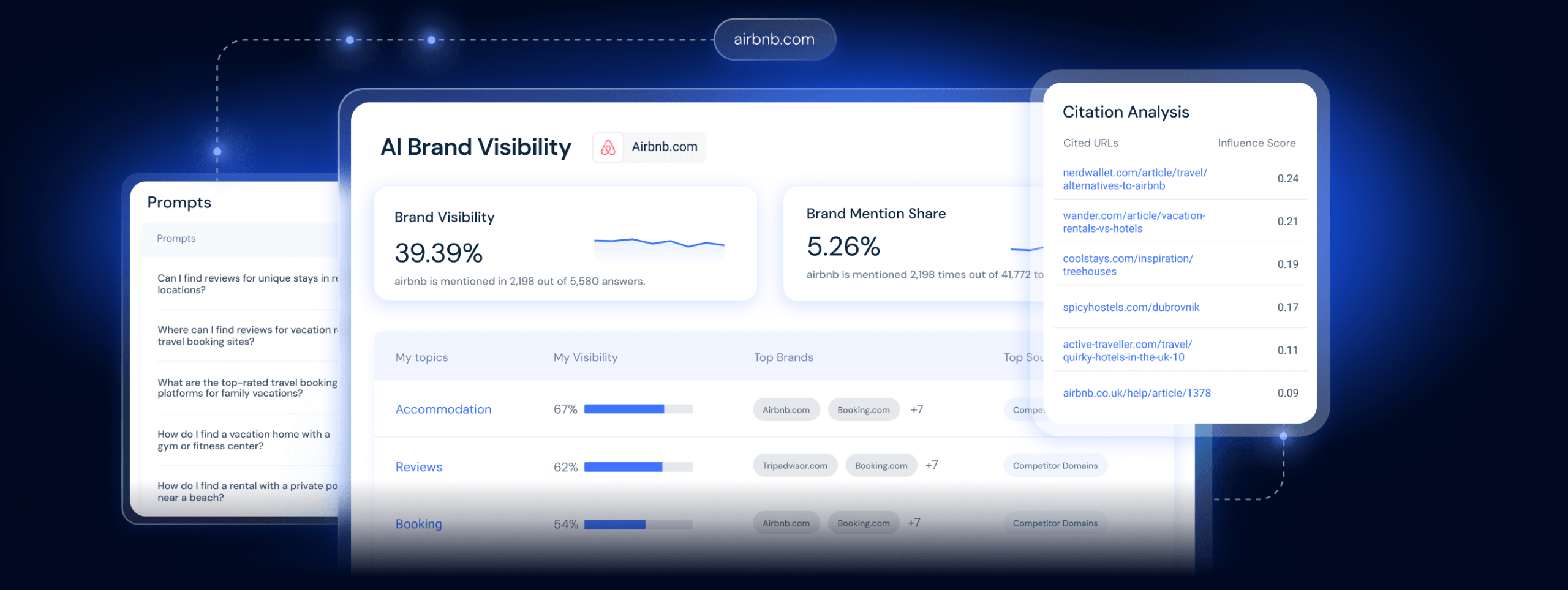
AI Brand Visibility
Check where you can boost visibility in AI search
Analyze your brand visibility across AI platforms in the topics that matter to your business.
- The Goal: Spot the high-value categories where your brand isn’t as visible in AI search as competitors.
- The Action: Use the topic-level visibility view to identify which "themes" you and your competitors are dominating.

Prompt Tracking
Use real prompt data to build a GEO strategy
Stop optimizing for keywords and start optimizing for conversations. Get access to the actual prompts users enter in AI search to see the real intent behind the query.
- The Goal: Create content that addresses real-world human needs to win the AI’s recommendation.
- The Action: Identify high-intent prompts where AI recommends a competitor instead of you.

Citation Analysis
Target AI’s trusted sources
AI cites "trusted nodes" to verify its answers. If you want to be recommended, you must appear on the sites the AI already trusts.
- The Goal: Focus your Digital PR and content partnership strategy on the specific "live nodes" that influence AI most.
- The Action: Track citations and influence scores to identify the exact URLs and domains that LLMs cite most frequently in your category.

AI Sentiment Analysis
Counteract negative sentiment in Generative AI
Analyze overall sentiment within AI answers. And identify where you have brand perception issues so you can fix them.
- The Goal: Manage the AI's perception of your brand online.
- The Action: See how AI represents you vs. your competitors by topic.

AI Traffic
Capture the ready-to-buy clicks from AI
Our data shows AI-referred traffic converts at a stunning 7% compared to only 5% from search. So, this is traffic you want to target.
- The Goal: Identify the page structures that trigger AI clicks to turn visibility into revenue.
- The Action: Audit which of your competitors' landing pages are successfully pulling traffic from LLMs.
Explore our full GEO & SEO suite
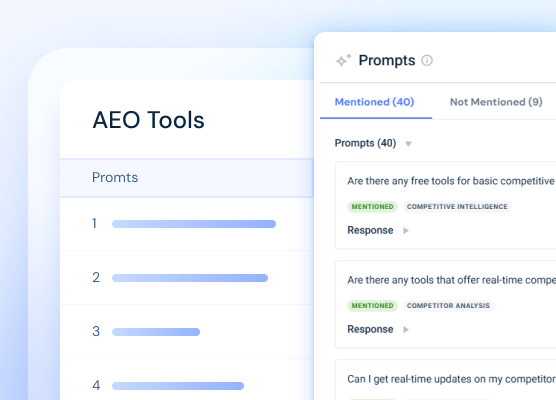
AEO Tools
Measure and improve your visibility in AI Overviews, featured snippets, and other zero-click content.


Claude tracker
Track visits from Claude to identify users engaging with complex, long-form recommendations.

Grok tracker
Measure visits from Grok to identify when viral conversations turn into website referrals.
DeepSeek tracker
Monitor visits from DeepSeek to see how its logic-driven answers refer users to you.
Keyword Research
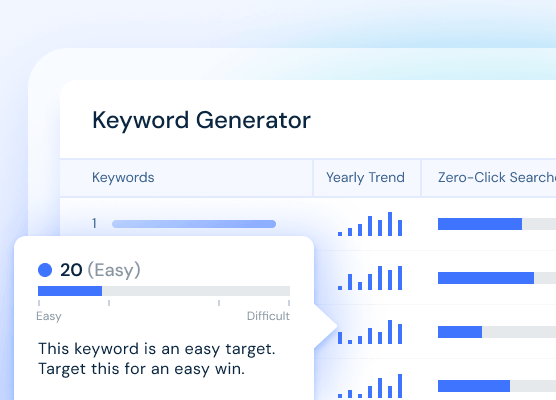
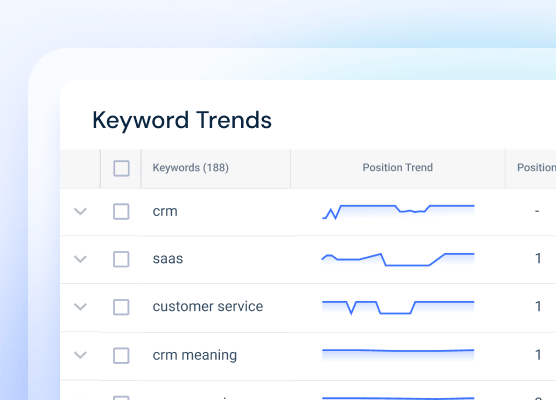
Identify keywords and variations with high traffic potential instantly. And spot emerging trends with fresh data from the last 28 days.
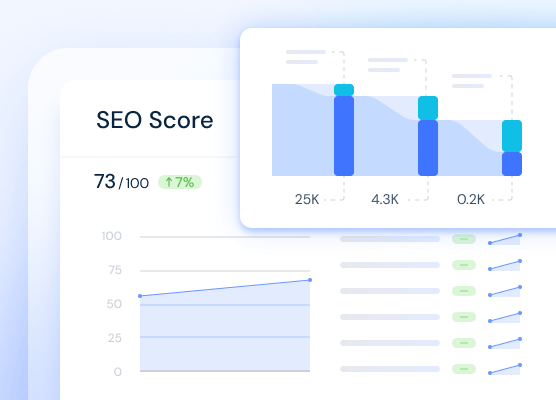
SEO Audit
Crawl complex sites at speed, site-wide or at or folder/page level. Plus, stay on top of fixes from over 300+ performance factors analyzed.
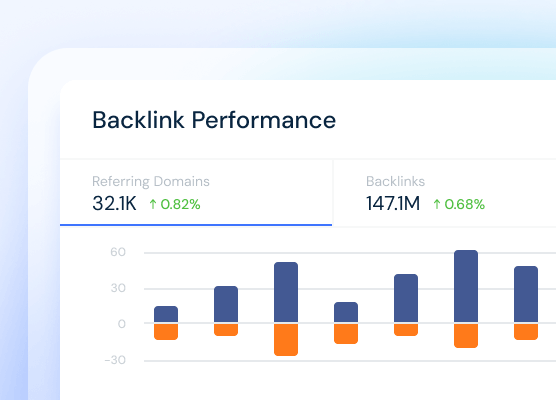
Backlinks Checker
Monitor daily backlink gains and losses to understand link momentum. Then, uncover competitor backlinks to find new link-building opportunities
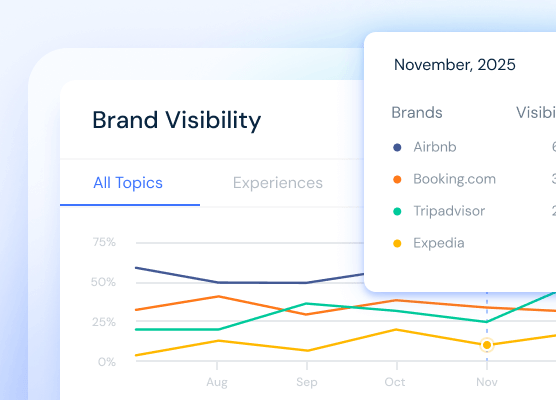
Brand Visibility
View the percentage of AI responses that mention your brand out of all analyzed answers.
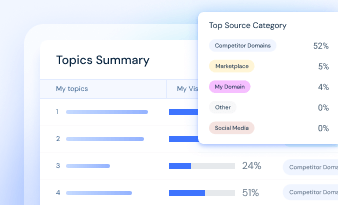
Citation Analysis
Identify the sources influencing AI answers for your topics down to the exact link so you can build stronger partnerships.
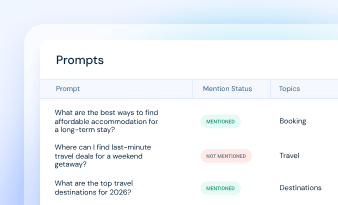
Prompt Analysis
Review the prompts people enter about your topics, what AI responded, if you’re mentioned, and what sources it used.
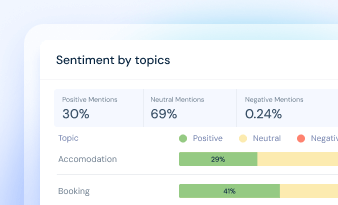
Sentiment Analysis
Filter AI mentions by positive, neutral, and negative to see how AI is representing your brand. Then click in to each category to read more.
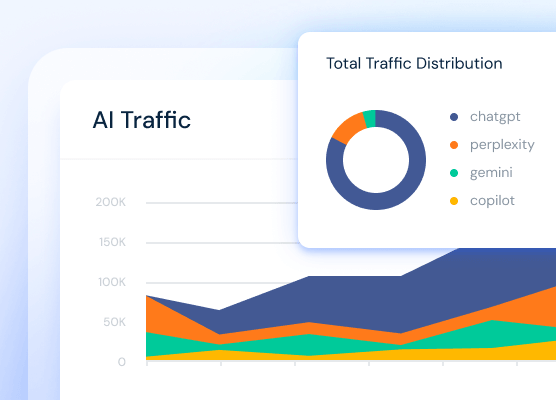
AI Traffic
Track the total amount of traffic AI is referring to your site from within conversations.

"With AI searches on the rise... I get asked a lot of questions on the regular by senior company executives. Similarweb has enabled me to quickly and easily answer these questions with compelling visuals."

Jon Baldwin
Senior SEO Content Manager
Start your free trialFAQs
A GEO (Generative Engine Optimization) tool is software designed to monitor and optimize a brand’s visibility within AI-powered answer engines like ChatGPT and Perplexity. Unlike traditional SEO tools that track keyword rankings on Google, GEO tools measure Brand Mention Share, Citations and Sentiment inside conversational AI responses.
GEO (Generative Engine Optimization) works by identifying the sources, topics, and data points that Large Language Models (LLMs) use to generate answers. Marketers then optimize their content structure, technical data, and third-party citations to ensure the AI "learns" and recommends their brand as a trusted authority.
GEO is used to ensure your brand remains visible as user behavior shifts from just search engines to AI chatbots as well. It helps marketers capture high-intent traffic, manage brand sentiment in AI responses, and identify which "trusted nodes" (such as industry blogs or Reddit) are influencing AI recommendations.
You use GEO AI by analyzing real-world human prompts to understand user intent. From there, you implement "answer-first" content structures, leverage structured data, and build partnerships with the specific domains that AI models cite most frequently, ensuring your brand is the primary recommendation for relevant queries.
Success in GEO is measured through Brand Visibility, the percentage of AI responses that mention your brand, and Citation Frequency. Other key metrics include the sentiment of AI mentions and the volume of high-intent referral traffic sent directly from LLMs to your website.
We track ChatGPT, Perplexity, Gemini, and AI Mode for AI Brand Visibility. Our AI Traffic analytics extend even further, capturing referral data from Copilot, Claude, DeepSeek, and Grok to give you a total view of AI-driven visits.
Yes. Similarweb reconstructs real-world human prompts so you can see exactly how users are asking about your industry. You can view the specific questions asked, the AI's full response, and whether your brand was recommended, helping you identify exactly where you are winning or losing ground
Similarweb maps the "influence graph" by revealing the specific third-party domains, like Reddit, niche blogs, or news outlets, that LLMs cite to verify their answers. This allows you to move beyond your own site and prioritize the external partnerships that actually shape the AI’s perception of your brand.
Absolutely. The Sentiment Analysis feature automatically categorizes every brand mention as positive, neutral, or negative. This allows you to spot reputational risks early, address inaccuracies, and update your site's content to ensure AI models are training on the most accurate and positive version of your brand story.