


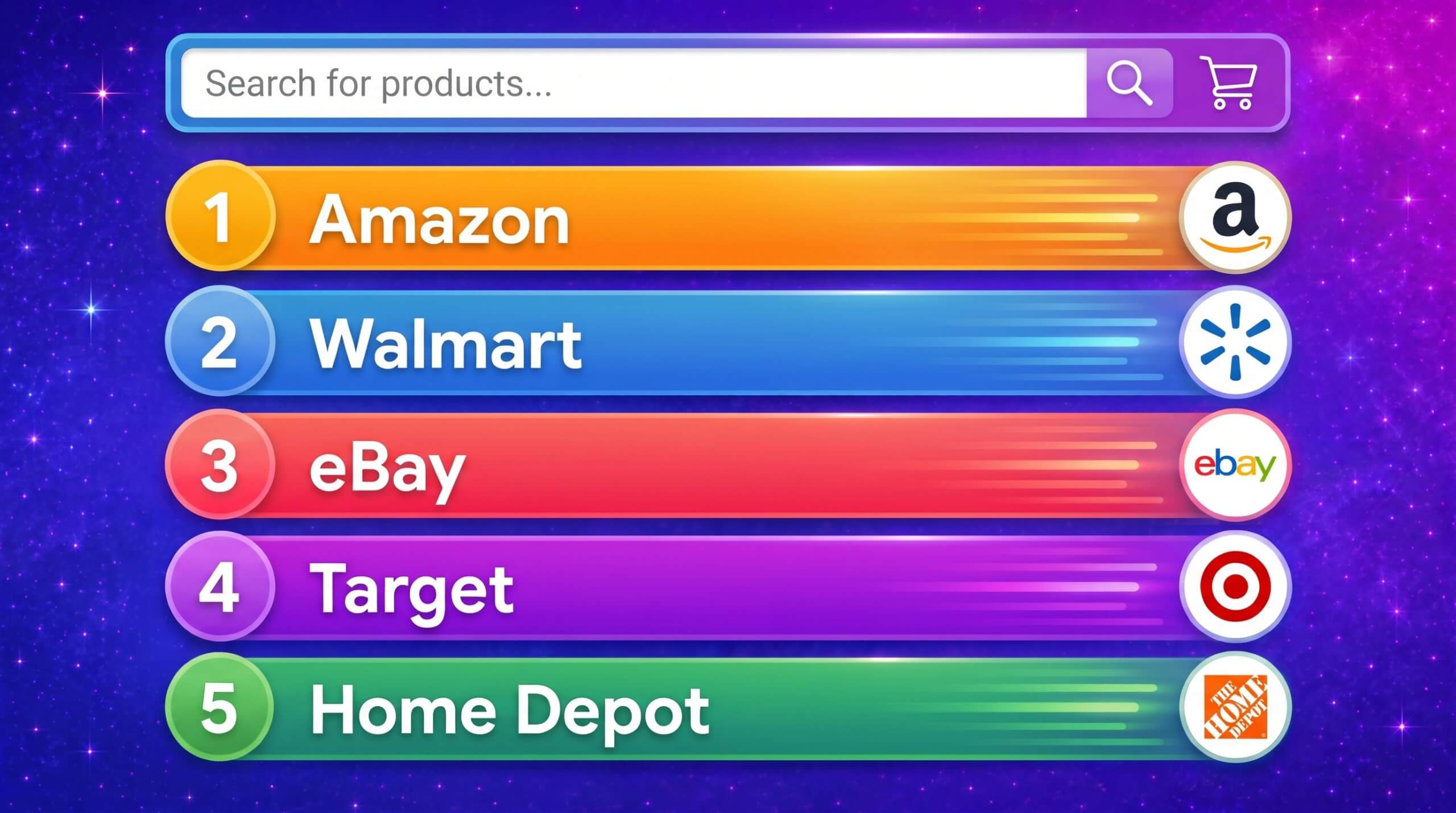
Top Ecommerce Companies in the USA: The 100 Brands Winning the Traffic Race in 2026
by Inbar Eytan6 Min.
Aug 30, 2026
 Sales Intelligence
Targets keep rising and so does the number of platforms sales teams are expected to use. Many are stuck switching between 10+ platforms, updating stale CRM records, and wrestling with workflows that don’t connect.
The result? Wasted time and missed opportunities. ⏱️
That’s where AI comes in. Used correctly, it can be the assistant every sales rep wishes they had.
AI helps you skip the busywork from spotting the right leads to drafting outreach that actually resonates. It lets you focus on what matters most: building relationships and closing deals.
In this blog, we’ll demonstrate how AI should be used in sales and the benefits it brings when done right.
The goal: to give you a clear path to making AI work for your business.
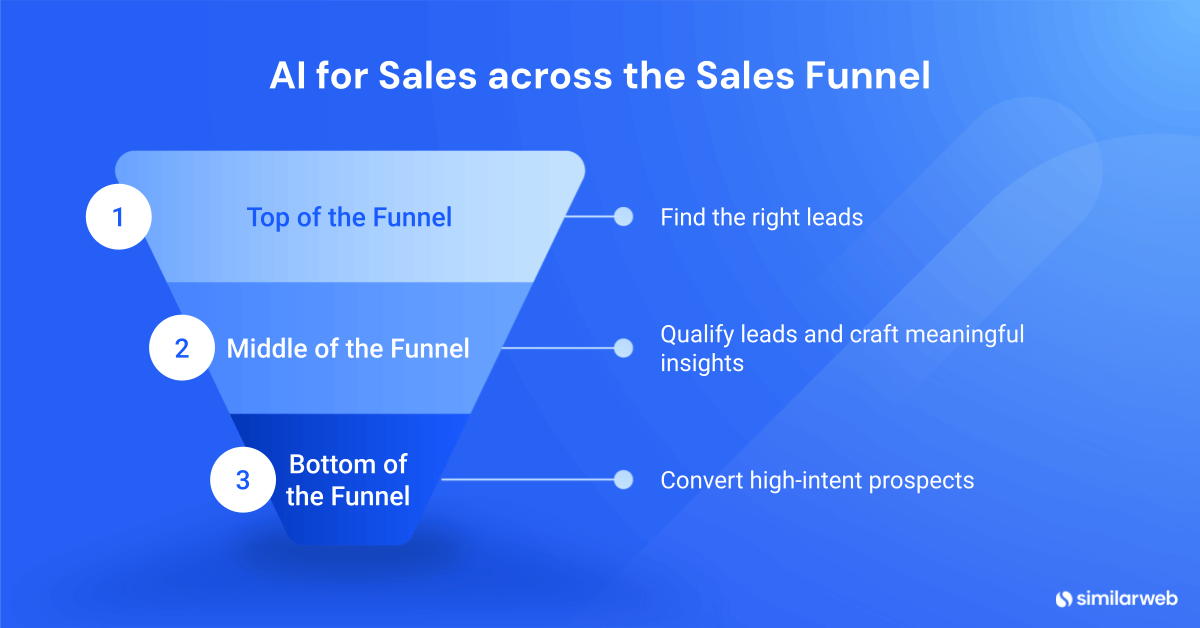
Incorporating AI into the sales process relies on machine learning (ML) to spot patterns in data, and natural language processing (NLP) to power more human-like communication. Together, they automate tasks, surface insights, and strengthen every stage of the funnel.
When AI takes care of repetitive work, your team gains the time and focus to turn potential opportunities into profit.
Time is the ultimate sales currency. Every hour spent logging calls, digging through spreadsheets, or chasing cold leads is an hour not spent building relationships. AI gives reps that time back. It turns research, data entry, and guesswork into automated workflows, freeing sales teams to do what they do best: sell.
Here’s what that looks like in practice:
In the end, AI makes the sales cycle both faster and more efficient. It’s not here to replace human input, but to remove the friction that slows it down.
AI is now built into almost every sales tool, from CRMs and email plugins to prospecting platforms and meeting notes. Yet despite all this availability, most sales teams aren’t seeing real AI maturity. AI maturity means reaching the stage where AI is consistently driving outcomes like cleaner data, sharper targeting, and measurable efficiency.
According to McKinsey (2025), only 1% of sales organizations have achieved true AI maturity.
The problem isn’t AI itself. It’s the foundation many sales teams are building on, McKinsey (2025) found that:
Without the right foundations, AI becomes just another tool in the stack, not the accelerator it should be.
To move from promise to performance with AI, you need more than just tools. Success depends on a solid strategy and reliable data. To make it work, there are four essentials you need to get right when bringing AI into your sales workflows.
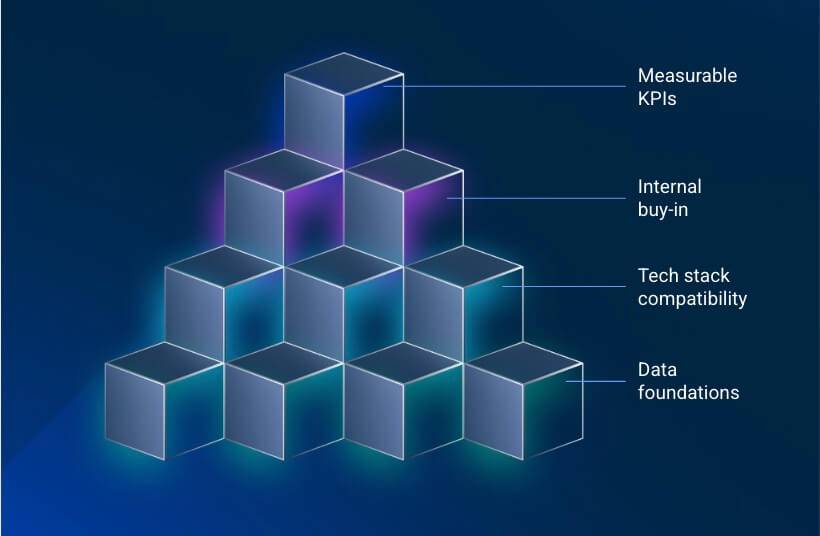
For more information about AI implementation, download our AI Strategy report for the full playbook, real-world examples, and step-by-step implementation guide.
Many companies have introduced AI into their sales workflows in many different ways. Many of these tools have customizable dashboards, allowing users to visualize and analyze the generated insights. Some others can integrate with CRMs to ensure all information is readily available to sales representatives. The majority utilize AI to generate insights that focus on prospective companies’ performance and pain points to streamline the sales process. They can be classified into the following categories:
Generating, qualifying, and scoring leads can be a time-consuming manual process. AI has changed this. Generative AI (Gen AI) in sales sifts through data and creates insights specific to a company of focus. It gives sales teams the ability to determine whether it is the right prospect for the goods and/or services being offered.
Crafting emails that truly resonate is harder than it looks. Sales representatives need to cut through crowded inboxes, capture attention quickly, and maintain consistency across every touchpoint. Too often, they’re left guessing which messages will land, leading to mixed results and missed opportunities. GenAI helps solve this by analyzing data from past interactions and market signals to shape content, tone, and next-best-action recommendations, ensuring outreach is both relevant and repeatable at scale.
Predictive analytics can be used to determine customer intent and gain insights into future customer behavior to help with the lead generation and qualification process.
Generic AI tools can only go so far. What makes Similaweb Sales Intelligence different is that its AI agents are powered by real buyer intent and digital behavior data. That means reps get insights that are sales-ready and account-specific.
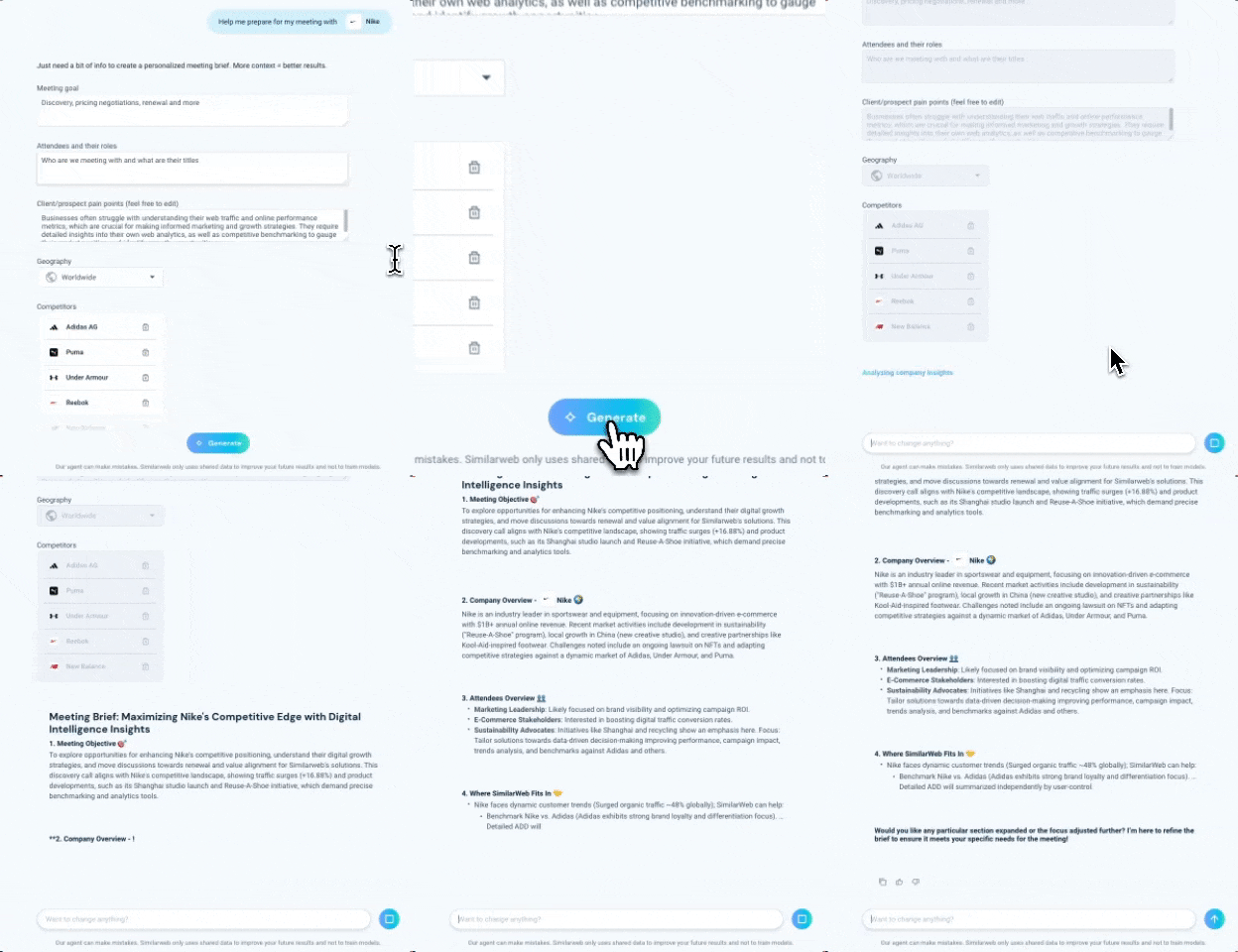
1. AI Meeting Prep Agent: Prepares reps before every call with an instant briefing on the account’s size, market position, and recent online activity. Walk into every meeting armed with relevant insights that build trust and credibility.
How it works:
The brief uses Similarweb’s data, such as firmographics, technographics, sales signals, web traffic and engagement, and much more and incorporates your company and role to provide you with everything you need. If you need to customize, you can adjust by chatting with the agent.
2. AI Outreach Agent (coming soon): Stand out in flooded inboxes with outreach that prospects actually want to read. Powered by Similarweb’s unique insights (from traffic shifts to competitive benchmarks and digital signals), it generates personalized emails that reflect what your target accounts are really experiencing. You can visualize and select the insights you want to highlight, adjust the text to fit your voice, and save hours of manual research and drafting.
Once your draft is ready, you can:
AI doesn’t replace sales strategy. It accelerates it. The teams that win are the ones using AI with clarity, consistency, and intent.
That means:
AI is simply the accelerant that makes a strong strategy run faster.
👉 Ready to make AI a real part of your sales strategy?
Try it now!
Which AI tool is the best for sales?
It depends on the job you need done. Some AI tools focus on qualifying leads, others on managing and prioritizing opportunities, engaging prospects, or finding entirely new ones through AI-powered prospecting. The key isn’t just choosing a tool, but choosing one that connects to reliable, actionable data. Without that, even the smartest AI falls short. For example, Similarweb’s AI Outreach Agent gives sales teams an edge by turning buyer intent and digital signals into personalized outreach.
Is AI the future of sales?
AI is the future of sales, but not because it replaces people. Think of it as a partner, not a competitor. AI handles the noise: research, data entry, and guesswork. Sales reps handle the close. The real advantage goes to teams that use AI to win back hours, sharpen focus, and spend more time where it counts, with customers.
Relationships and trust will always close deals. AI simply clears the path and gives you sharper insight into where to focus.
Do AI sales reps work?
AI sales reps don’t replace real sales reps, but they do work as powerful assistants. They handle repetitive, time-consuming tasks like qualifying leads, enriching CRM records, and preparing call notes. That frees reps to do what they do best: build relationships, earn trust, and close deals.
How can AI help B2B sales?
In B2B sales, AI helps by taking repetitive, time-consuming tasks off the table. From logging calls to sorting through data, AI automates the busywork so reps can focus on building relationships and moving deals forward. At the same time, it turns overwhelming volumes of information into clear insights, prioritizing the accounts most likely to convert, surfacing intent signals, and suggesting the next best actions.

Content Marketing Manager
Hanna Mathé-Cohen, by day a Content Marketing Manager; at heart, a storyteller. With 3 years in B2B SaaS, she makes complex ideas simple, and even a little fun!
Top Ecommerce Companies in the USA: The 100 Brands Winning the Traffic Race in 2026

3 of the Sharpest Minds Weigh in on the State of Gen AI in 2026

Try Similarweb Sales Intelligence today — free of charge
