


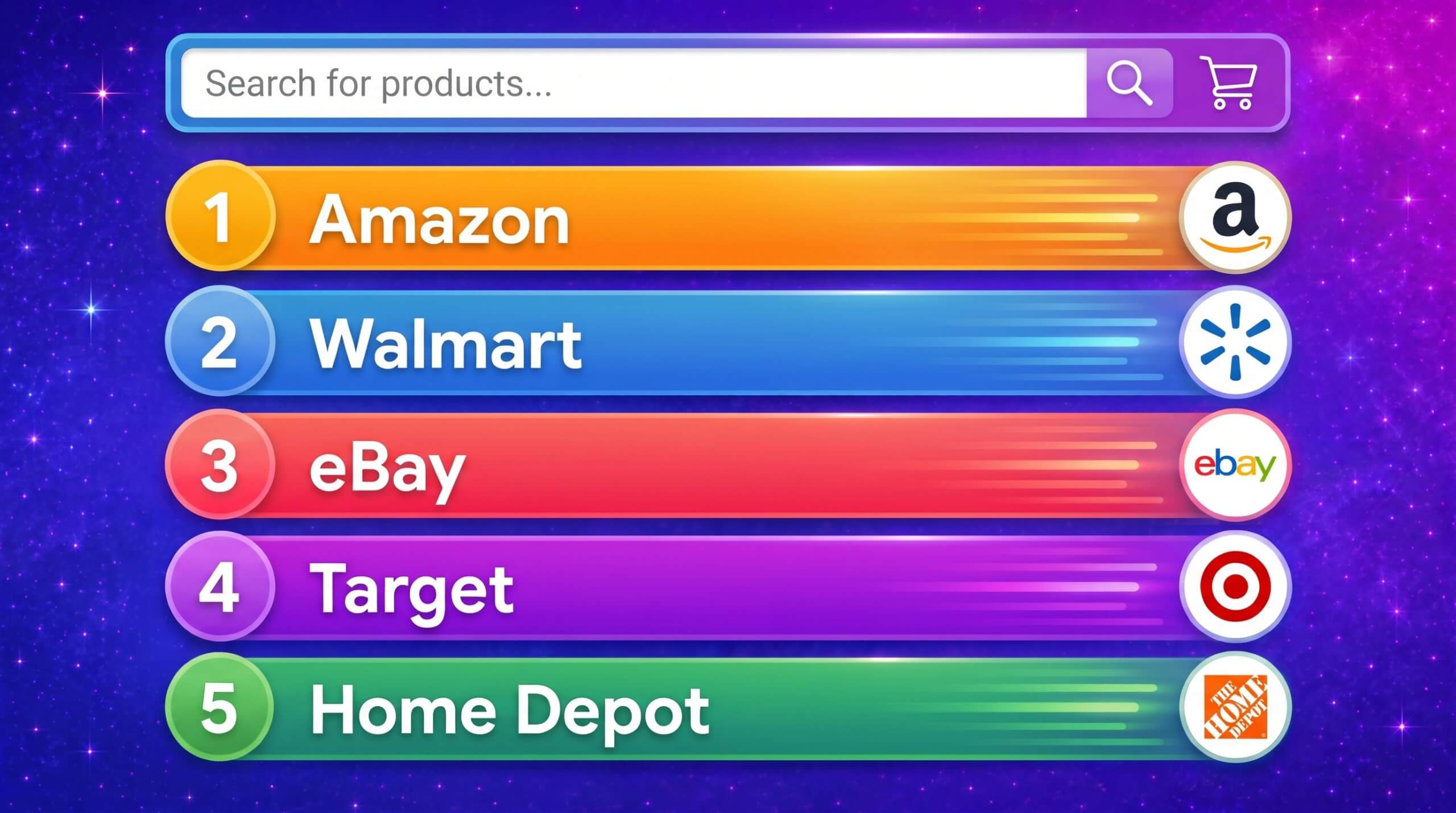

Top Ecommerce Companies in the USA: The 100 Brands Winning the Traffic Race in 2026
by Inbar Eytan6 Min.
Aug 30, 2026
 Research Intelligence
The importance of doing market research for startups is often underrated by those who need it most. The number one reason most startups fail is a lack of market understanding; it’s easy to see how so many new businesses don’t succeed in the early stages.
Success becomes an uphill battle when going to market without fully understanding who a target audience is and how to meet their needs.
Before we show you why and how to do market research for your startup, look at these stats.
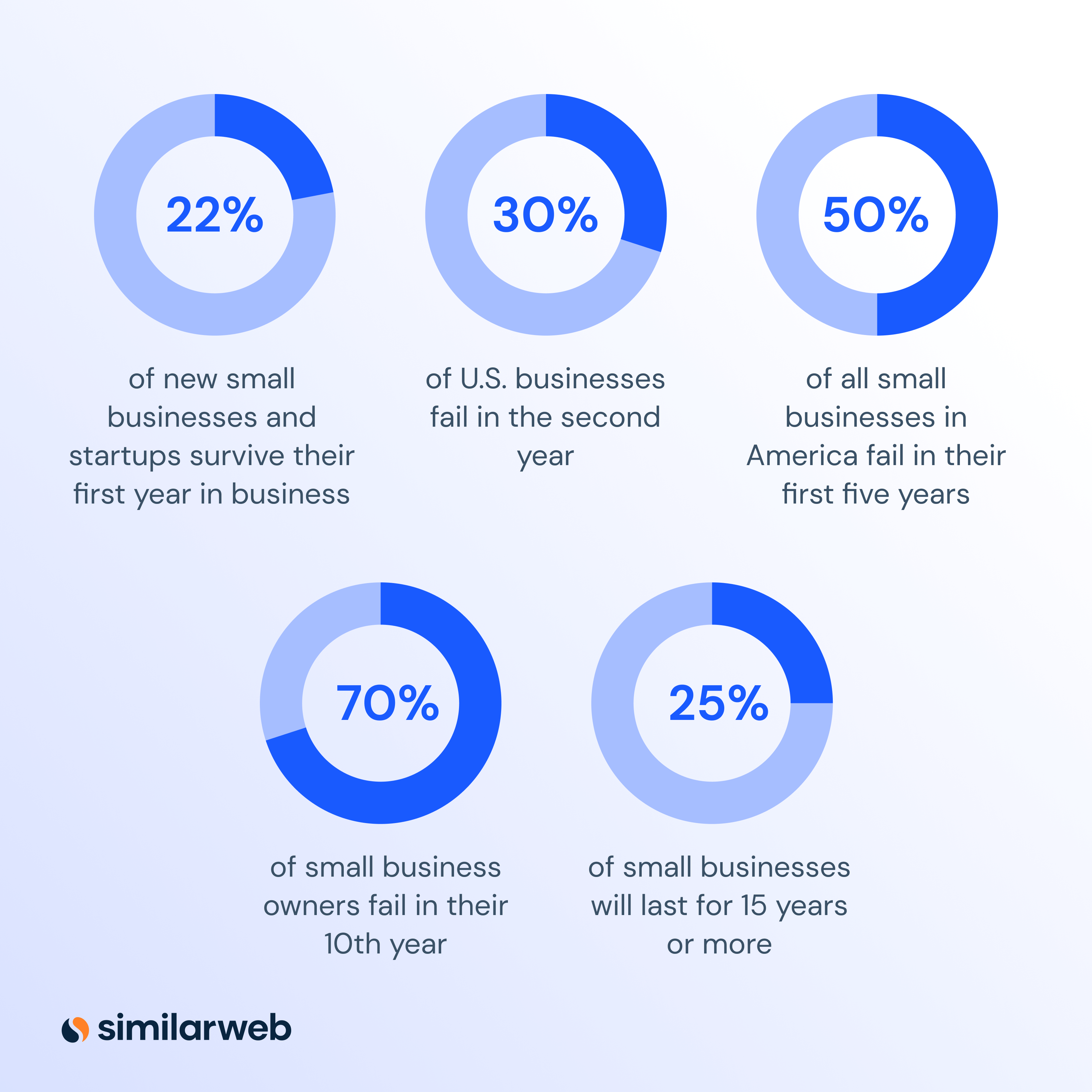
You’ve seen the stats, and likely, you’re going to want to do everything possible to ensure you don’t end up being one of the many businesses that don’t make it through the early years. As you’ve started learning how to do market research for your startup, you’re on the right track to future-proofing your business – giving it (and you) the best chance of success.
Here are seven things startup market research allows you to do:
The information you need to succeed (in almost any market) is at your fingertips – ready and waiting to be discovered. With the right intel, you can refine your go-to-market strategy, remove the guesswork from your marketing, and plan activities based on what you know is working.
What’s more, with software like Similarweb Web Intelligence, you can access instant insights that tell you where opportunities exist in your market.
In this section, I’m going to show you six of the best ways to do market research for startups. Whether new to a market or a seasoned expert, these activities will give you the insights you need to formulate a successful plan.
If you’re still in the pre-planning stage, you can read more about how to do market research for a business plan here.
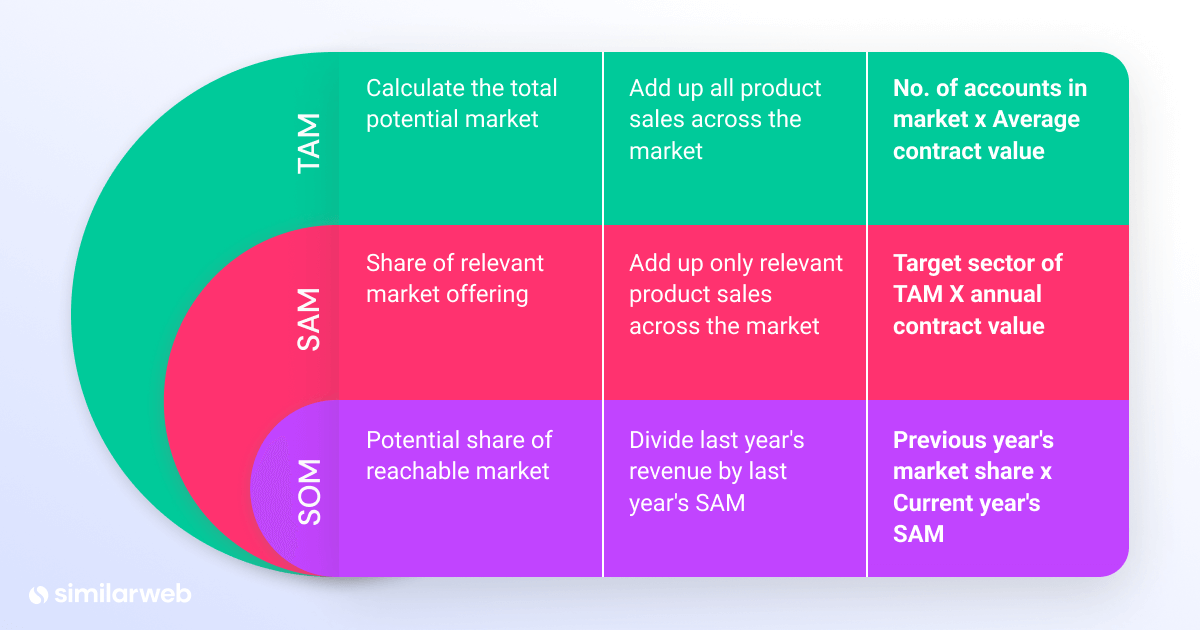
Before entering a new market, it’s crucial to size up the opportunity. Market sizing allows you to see the potential share of your reachable market. The three metrics you need to work out are listed below, along with relevant formulas for each.
Startups can use market research to get a clear picture of the competitive landscape. With the right tools, you can analyze a market and evaluate industry leaders and emerging players in just a few hours. Any new business can use this information to shape its strategy and benchmark itself against competitors.
To quickly get a handle on your nearest and dearest rivals, sign up for a free trial of Similarweb. Next, head to the industry overview tab of the Similarweb Web Intelligence solution to start grabbing the data you need.
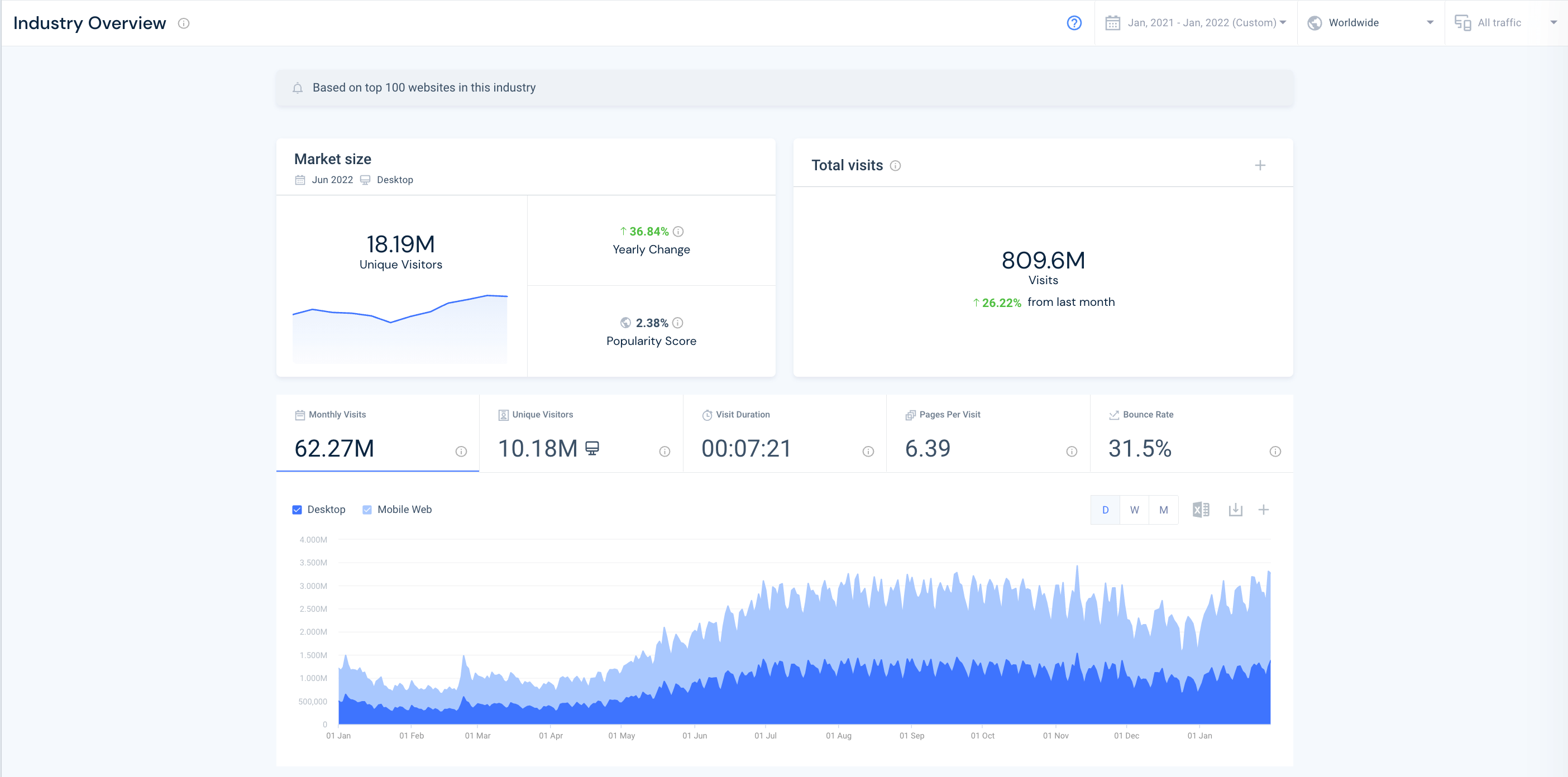
Industry Overview: The best place to begin any competitive research is here. View website traffic and engagement metrics for your industry to see industry-standard benchmarks.
A quick click on Industry Leaders module (below) will immediately show you industry leaders and rising players. Here’s where things start to get interesting.
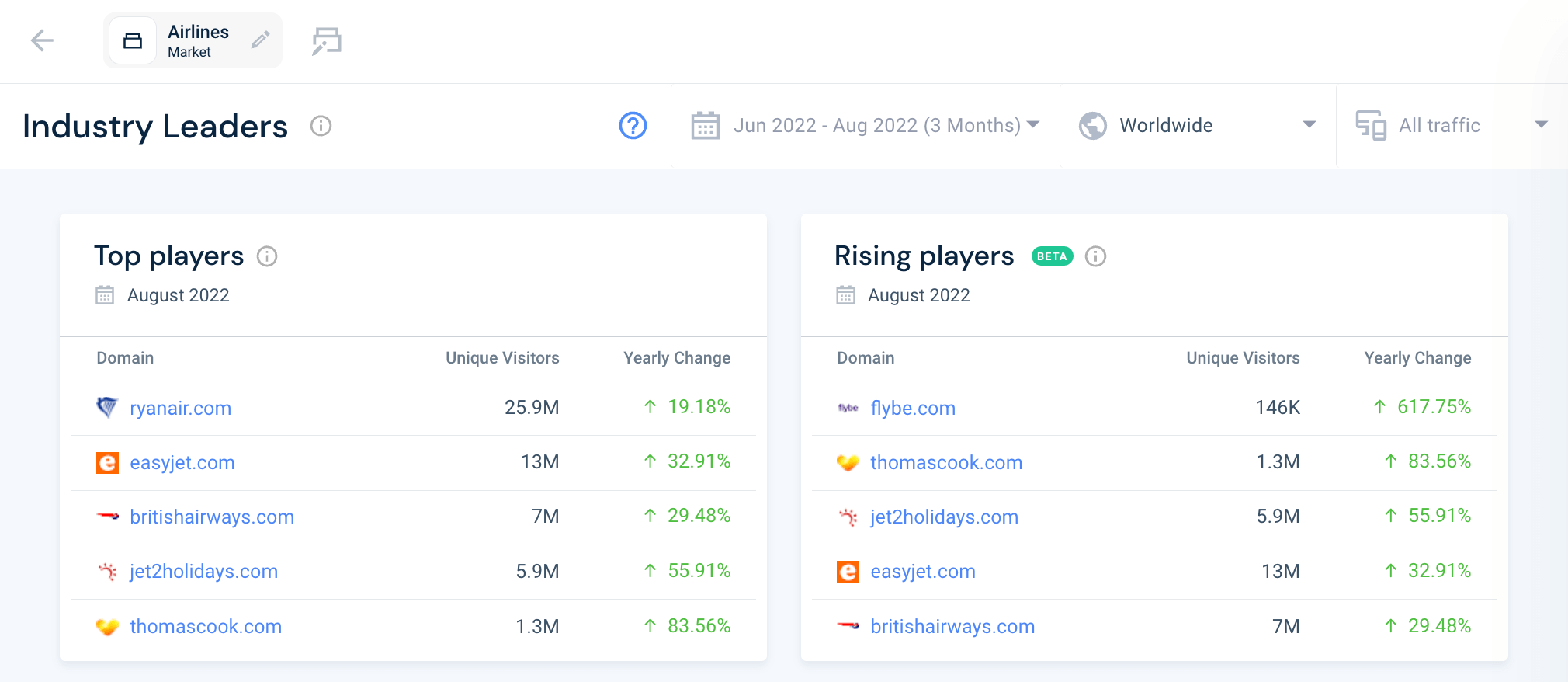
Use Industry Leaders to view your industry leaders and any rising stars that have been gaining traffic at pace. These rising stars are just as important to analyze as market leaders.
Further reading: This post covers seven types of Competitive Analysis Frameworks and includes a free template to help you record and compare findings.
Whether you’re bootstrapping or have a healthy budget, managing your marketing spending is key. Market research helps you quickly see what channels work for others in your space and uncover competitors’ marketing strategies.
Use this intel to develop a marketing strategy tailored to today’s market. With Similarweb Web Intelligence, you can do this element of startup market research in under an hour.
With a free trial of Similarweb, you can see granular insights about your rival’s most successful channels. This includes affiliates and referral partners, high-performing ads, upwards and downward turns, mobile app analysis, and more.
Discover which pages get the most traffic and conversions to find the keywords that drive traffic to competitors’ sites. This will help inform your keyword and content strategy. To create a list of relevant keywords (both long and short-tail), follow these pointers. The key to success is taking a broad view and not just going for the most obvious keywords everyone else is targeting.
Pro Tip: When looking at top-performing pages, visit them and note the different calls to action your rivals use, as this will help you decide which to implement on your site.
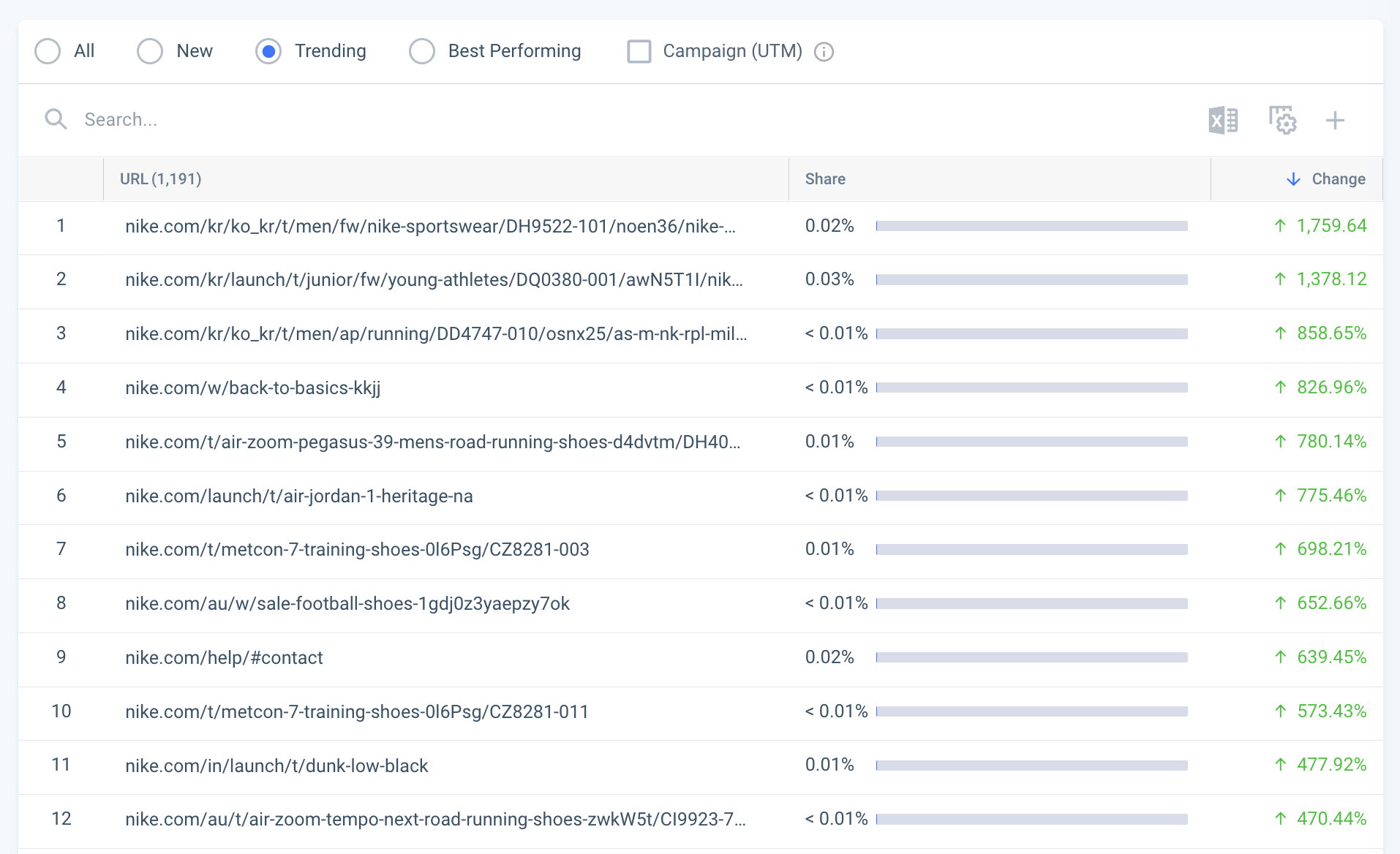
With the pages element of Similarweb Web Intelligence, you can analyze up to 10,000 pages per site. In an instant, you can unpack and track their highest-hitting pages as well as those growing or declining over time.
Knowing your target audience is critical for any startup market research. Establish the following factors to build a picture of your potential audience.
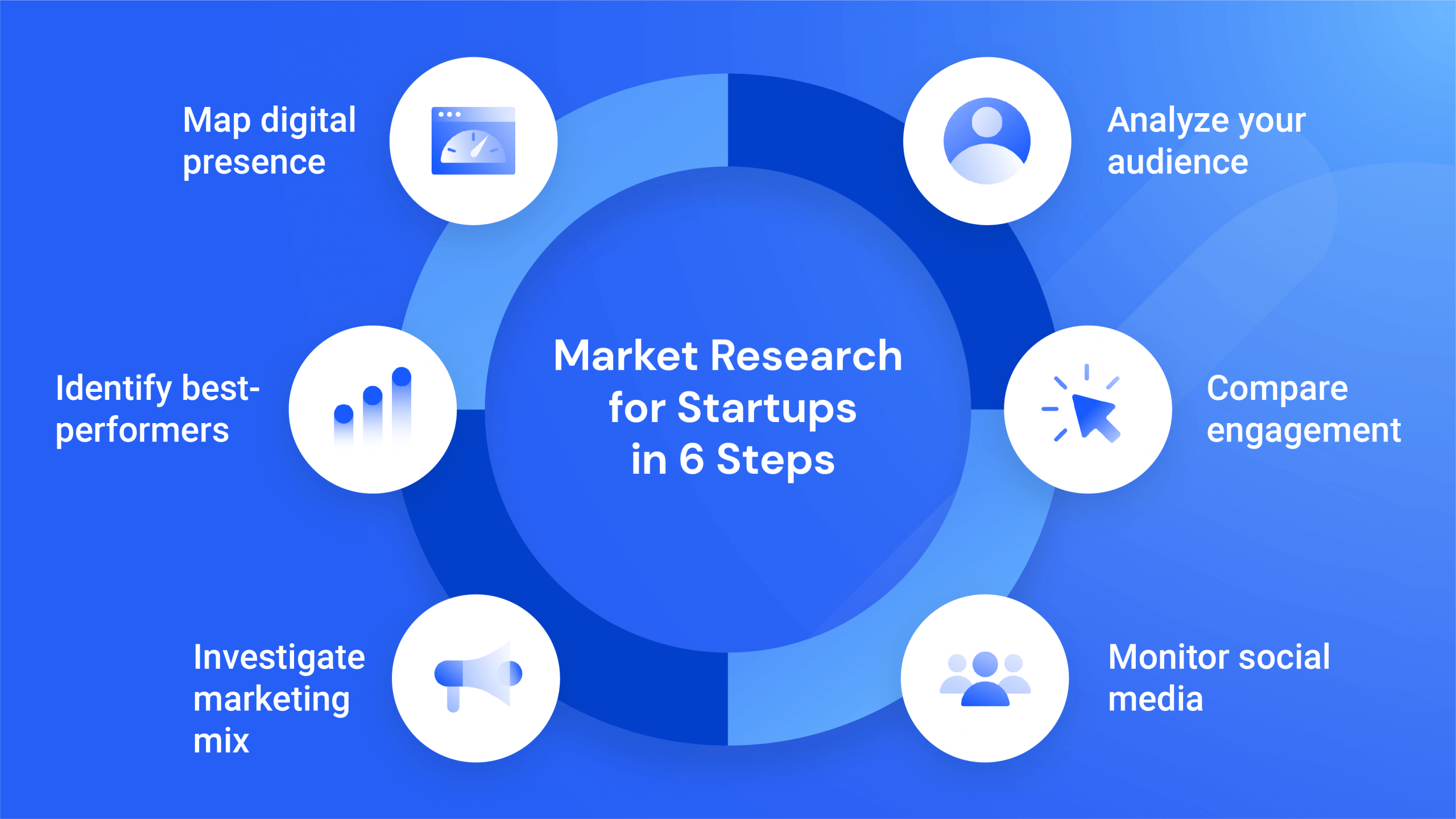
As you can see, you can learn many things about your target audience before starting a business. With this data, you can refine your marketing activities like advertising, outreach, strategy, positioning, and more.
Further reading: Read our guide on how to identify your ideal niche audience
Establishing a social media presence takes a lot of work, and you must evaluate how useful it is at the beginning before deciding how to allocate your resources.
You can create a spreadsheet to track this or add this to your competitive framework. Don’t try to overdo things. Choose the best channels based on what you already see working for others.
When doing any type of market research for a new business, you need to ask the right questions. There’s no point delving into company research and competitive analysis in a market without first considering what you’re trying to learn from the research.
Here’s a list of market research questions that you might want to consider:
Conducting thorough market research and analysis as a startup will help you direct your resources and sharpen your business plan to ensure you take advantage of market opportunities.
With Similarweb Web Intelligence, you’ll access comprehensive industry data in real-time. This way, you’ll be able to track industry trends and the demographic makeup of your target audience to reach them better.
Because we provide real-time data, you get to see emerging market trends as they open. When you’re ready to launch your startup, you can use all that knowledge to your advantage.
Because we provide real-time data, you see emerging market trends as they happen. When you’re ready to launch your startup, you can use all that knowledge to your advantage and ensure your business is prime for the market you’re about to enter.
Don’t delay – start your market research strategy today. Try Similarweb’s Web Intelligence tool for free!

How do you do market research for a startup?
First, measure your market share, then identify best-performing pages and keywords, investigate marketing channels, analyze your audience demographics, compare metrics, and monitor social media.
What is the best type of market research for a startup?
When time and money are key considerations, the best type of research for any startup is secondary market research, AKA desk research. It’s low-cost, can be done with little-to-no market research experience, and the data is readily available online.
What are the 4 types of market research?
The four core types of market research are primary research, secondary research, quantitative research, and qualitative research.

by Liz March
Digital Research Specialist
Liz March has 15 years of experience in content creation. She enjoys the outdoors, F1, and reading, and is pursuing a BSc in Environmental Science.
Top Ecommerce Companies in the USA: The 100 Brands Winning the Traffic Race in 2026

3 of the Sharpest Minds Weigh in on the State of Gen AI in 2026

Contact us to set up a call with a market research specialist
