


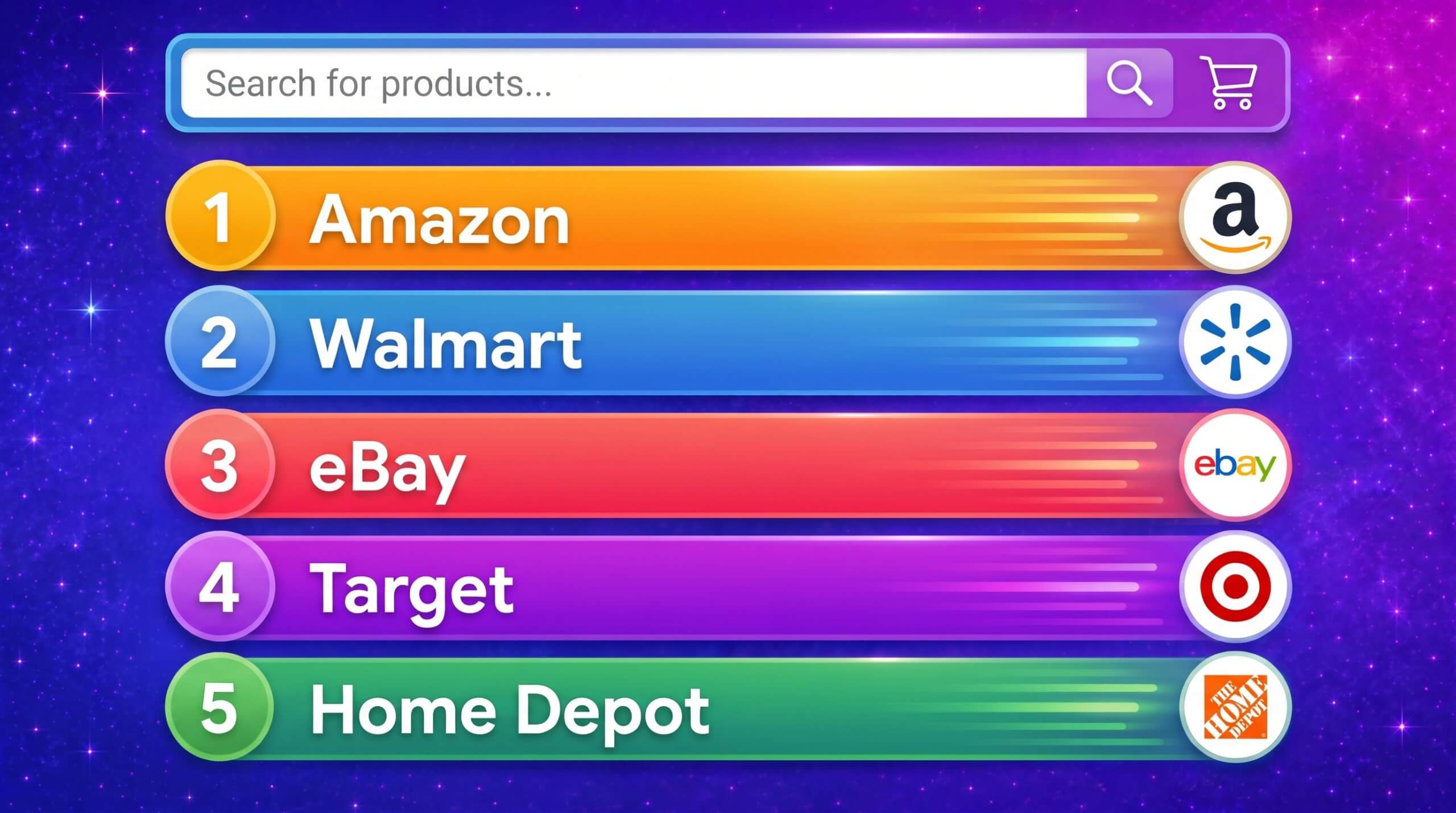

Top Ecommerce Companies in the USA: The 100 Brands Winning the Traffic Race in 2026
by Inbar Eytan6 Min.
Aug 30, 2026
 Marketing Intelligence
Who’s your target audience? What’s your market?
These are the most common questions that marketers are asked, and for good reason. Your target audience lets you get to know your potential customers and create highly focused marketing campaigns that connect with them.
But, it goes beyond that. To reach your target audience, you need to get inside their heads.
Digging into who your customers are and what they are thinking about day-to-day will be the key to understanding what they are looking for in a product and what type of communication will speak to them.
In addition to considering these big questions, you’ll want to ground your buyer personas by building a complete picture. Give them names, family statuses, hobbies, jobs, and socio-economic statuses. Map out their concerns with potential products, their motivations, preferences, pain points, and brand affiliations.

Taking the time to create accurate buyer personas based on well-researched metrics based on existing customers and or prospective customers will give you and your team the knowledge you need to focus your marketing efforts and marketing analysis tools so they meet your customer in the right place with the right marketing messages.

A buyer persona is a way of imagining and representing your ideal customer based on research and knowledge of your customer base. The idea behind a buyer persona is not to base it on a specific customer, but rather the ideal customer base for your product.
Let’s think about it like this:
You’ve created a solid marketing strategy with top-notch campaigns that you know are going to kill it on social media and your blog. Everything is ready: the content, the graphics, the timeline, and it’s time to launch. You send it out into the depths of the internet.
When they start to come in, they’re not producing the return on investment (ROI) you expected. You’re not hitting your goals or seeing the conversion rates.
There are a lot of factors that could be influencing the results here.
But most likely, there’s a disconnect between your marketing messages, where you’re publishing, and your target customers.
Buyer personas help you avoid these types of costly and time-consuming mistakes by honing in on the important details of the different types of customers you appeal to.
When building your buyer persona, there are key considerations for business-to-business (B2B) and business-to-customer (B2C) companies.
B2B brands need to profile companies in their buyer personas (B2B buyer persona). However, it’s important to note that the persona itself is not about the entire business, but the actual person in the target company that can make purchasing decisions. You can draw your inspiration from doing a little poking around on LinkedIn.
B2C companies need to create personas around their ideal customers. Part of this process is identifying the buyer’s pain points, who they are, what their preferences are when it comes to making purchases, and their overall needs in the industry.
There aren’t specific, standard types of buyer personas. Each business should create multiple personas in order to address specific customer needs. This is because each business is unique and has its own marketing needs, so the more personalized the better.
So how do you create a detailed buyer persona?
Building your buyer personas is a process that involves various steps. If you guess about your customers, their wants, and needs, you’ll likely create a buyer persona that is off the mark.
Here’s what you should do:
The massive fashion retailer has many different buyer personas. Here’s an example of one:
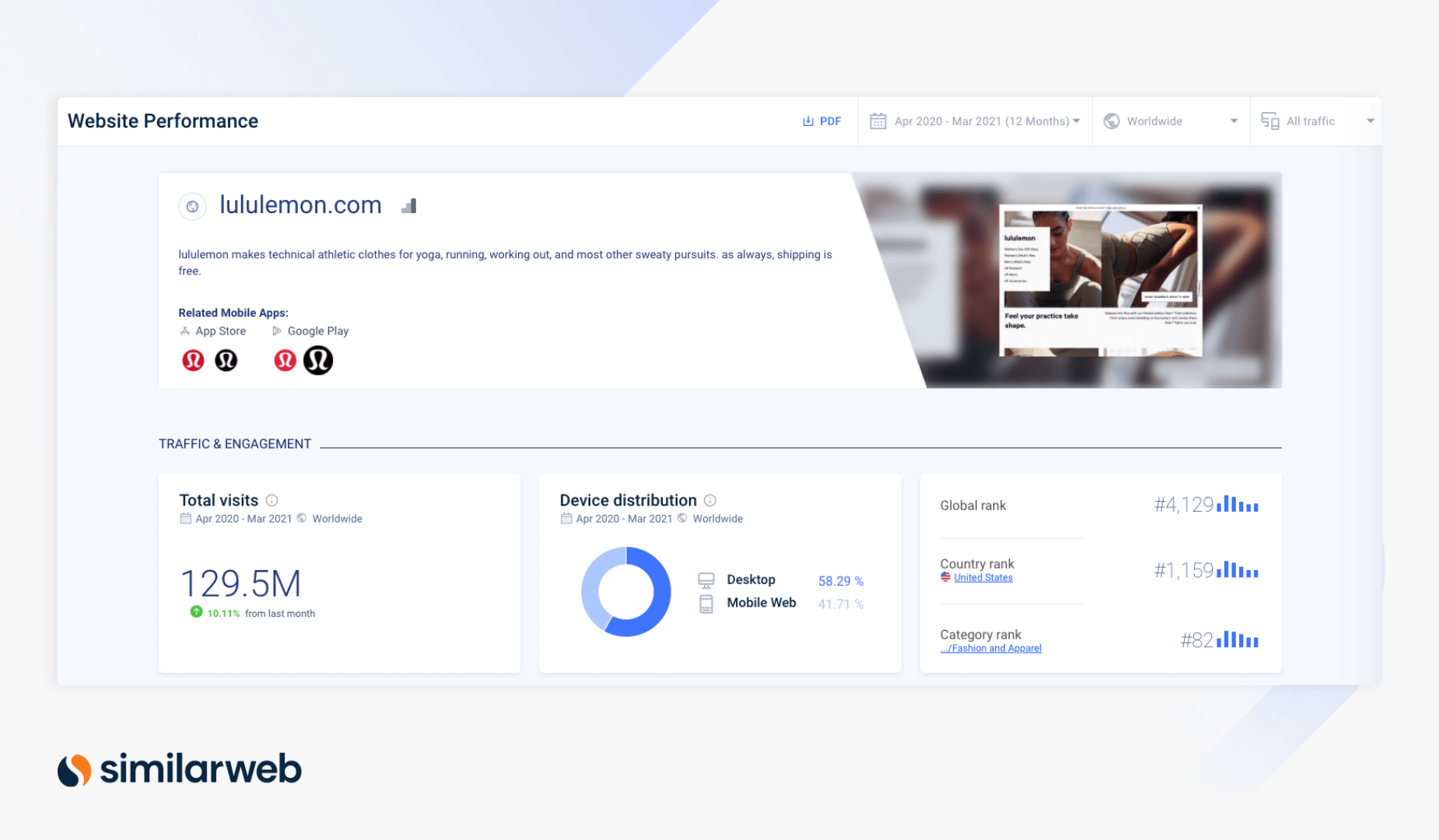
Background
Job, career path, family
Demographic information
Gender identity, age, income, location
Key identifiers
Communication preferences
Goals
Primary and secondary
Challenges
Primary and secondary challenges
How do we help?
Probable concerns
Why wouldn’t she buy our product?
Marketing messaging
How do we describe our product?
Here is an example of a buyer persona for the garden furniture direct-to-consumer (DTC) brand Outer:
Background
Job, career path, family
Demographic information
Gender identity, age, location
Key identifiers
Communication preferences
Goals
Primary and secondary
Challenges
Primary and secondary challenges
How do we help
ROI on goals, ROI on challenges
Probable concerns
Why wouldn’t he buy our product?
Marketing messaging
How do we describe our product?
Here is an example of a buyer persona for HubSpot, B2B marketing, sales, customer service, and CRM software developer and provider.
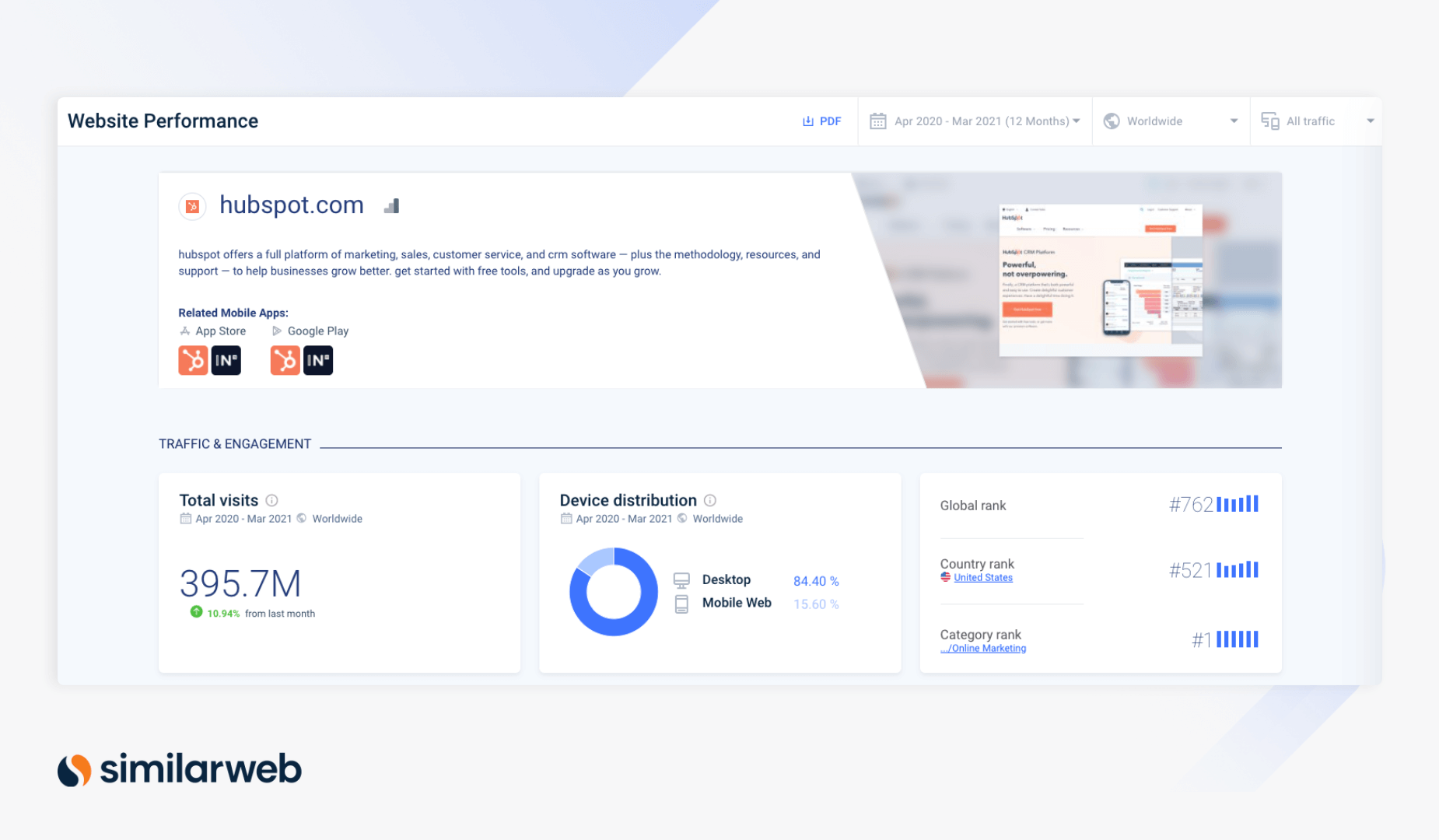
Background
Job? Career Path? Family?
Demographic information
Gender? Age? Location?
Key identifiers
Communication preferences?
Goals
Primary and secondary
Challenges
Primary and secondary
How do we help
ROI on goals? ROI on challenges?
Probable concerns
Why wouldn’t she buy our product?
Having a buyer persona template to get you started makes the process of developing your buyer personas easier.
By using a template you can make sure that you don’t leave any important details out. A template can also guide you in asking the right questions when speaking to your customers or when doing market research before writing the persona itself.
Ready to get started?
Once you’ve created your buyer personas, it’s time to integrate them into your strategy.
Buyer personas can be used in a wide range of areas within a company. These include marketing, customer service, and sales teams. Understanding the different types of customers can help salespeople talk to potential customers and marketers create powerful marketing messages to reach prospective customers.
Buyer personas need to be adjusted over time as your business needs evolve. Your customers may change or you may add new products that are relevant for different personas. In order to keep them up-to-date, you need access to real-time data to conduct market research on your competitive landscape
What are buyer personas?
A buyer persona is a representation of your ideal customer, based on your customer base.
Why are buyer personas important?
Buyer personas are important to implement to hit your targets, goals, and conversion rates. Buyer personas help you connect your messaging to your target customers.
How do you create buyer personas?
You can create buyer personas by researching your customers and conducting competitor market research. Once you’ve collected this data, use our buyer persona template and add it to your marketing strategy.

by Chelsea Feil
Marketing Intelligence Specialist
Chelsea, a storyteller and data enthusiast, graduated with a B.A. in Media and Communications. She enjoys sunsets, beach frisbee, yoga, and exploring new places.
Top Ecommerce Companies in the USA: The 100 Brands Winning the Traffic Race in 2026

3 of the Sharpest Minds Weigh in on the State of Gen AI in 2026

The ultimate solution to help you build the best digital strategy
